
Sewing a fur coat is a challenge that combines technical precision with artistic sensitivity. Unlike working with standard fabrics, fur demands respect for its natural structure and specific handling techniques. The year 2026 brings new trends in silhouette and trim, but the fundamental skills remain rooted in traditional craftsmanship. This guide walks you through each phase, from selecting the right pelts to the final press, ensuring your finished piece is both stylish and durable.
Przygotowanie materiału i wycinka
Every successful fur coat begins with careful material selection, szycie kurtki z futra poradnik. You must examine the pelts for density, color consistency, and length of the pile. Matching skins is crucial; slight variations in shade can ruin the visual flow of the garment. Before cutting, spread the skins on a large flat surface and arrange them to find the best pattern layout. Mark the grain direction on the back of each pelt using tailor’s chalk, as sewing against the grain can cause the fur to pull and distort. Always cut with the grain running in the same direction across the entire coat to ensure a uniform look and feel.
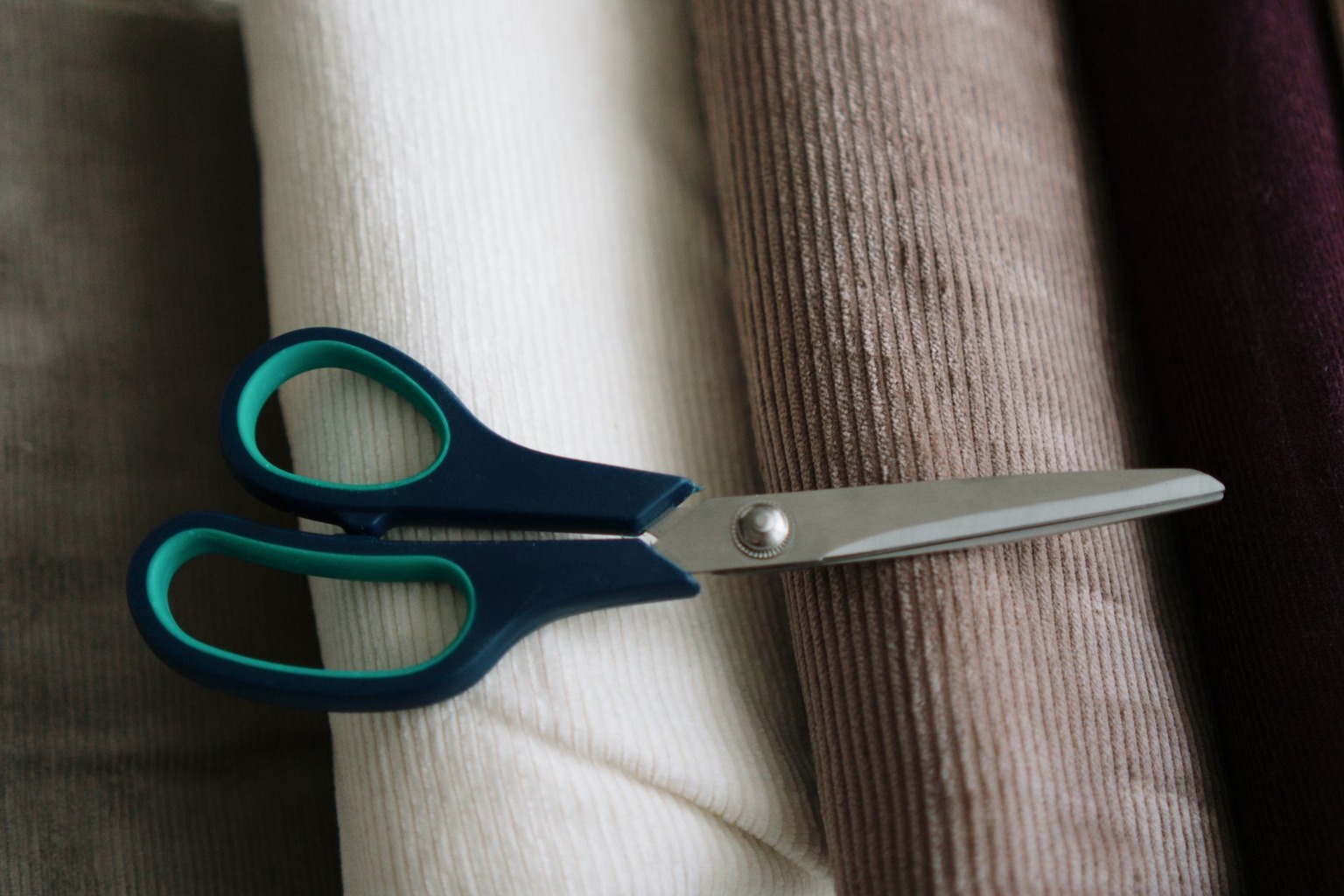
When it comes to the actual cutting, sharpness is your best friend. Use a dedicated rotary cutter or very sharp tailor’s scissors to avoid crushing the fur fibers. Cutting patterns on the leather side of the pelt is often necessary for structural pieces like collars or cuffs. Remember to leave generous seam allowances, typically around 1.5 to 2 centimeters, as fur bulk can be deceptive. Transfer all notches and markings to the leather backing, not the fur itself, to keep the surface pristine. This preparatory stage sets the tone for the entire construction process.
Dobór wykończeń i dodatków
The choice of linings and interfacings significantly impacts the drape and longevity of a fur coat. In 2026, designers are favoring lightweight, breathable linings that allow the fur to move naturally without restricting it. Bemberg or silk habotai are excellent choices that add a touch of luxury while remaining functional. For the interior structure, use fusible interfacing sparingly; too much stiffness can make the coat feel rigid and unnatural. Consider the climate where the coat will be worn; a heavier lining may be necessary for extreme cold, but it should still permit layering underneath.
Hardware such as buttons, zippers, and toggles must complement the fur’s texture. Large, chunky wooden or horn buttons often suit traditional styles, while minimalist metal sliders work well for modern, streamlined cuts. Always test the closure mechanism on a scrap piece of the same fur to ensure it glides smoothly without snagging the pile. Piping or contrasting trim can define the coat’s edges and add a custom touch, but keep it proportional to the coat’s size. Selecting the right accessories not only enhances aesthetics but also ensures the garment holds up to regular wear.
Techniki szycia i łączenia skór
Sewing fur requires a different approach than standard textile sewing. A long stitch length, typically between 3 to 4 millimeters, is recommended to prevent the needle from creating visible holes in the fur pile. Use a universal or leather needle, and always test on a scrap piece first. When joining two fur pelts, align the grain direction meticulously; mismatched grain can create a visible seam line that disrupts the coat’s silhouette. Pinning should be done sparingly and only through the leather backing, never through the fur itself, to avoid permanent damage.
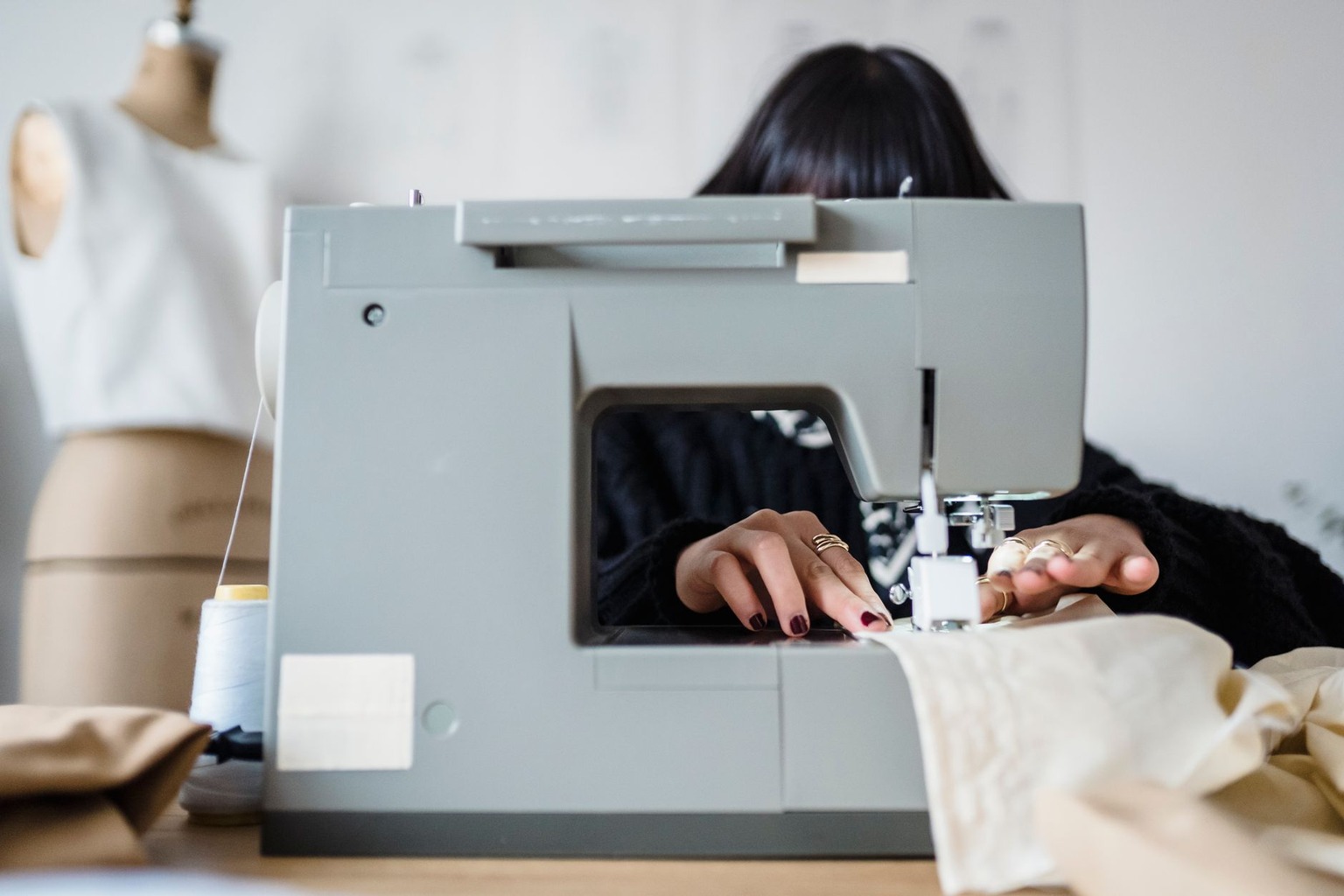
Seam finishing is where many DIYers struggle. Open seams are common in fur coats, but they must be neatly bound or overcast to prevent shedding. A French seam is often too bulky for thick fur, so consider a flat-felled seam or simply binding the edge with bias tape cut from matching leather. For areas of high stress, such as armholes or side seams, reinforcing with an additional line of stitching provides extra security. Take your time with each seam, pressing as you go, but use a pressing cloth to protect the fur from direct heat, which can flatten the pile irreversibly.
Kreacja krawędzi i wykończenia
The edges of a fur coat are its most visible feature and require meticulous attention. Collars, cuffs, and hemlines must be finished to prevent the fur from unraveling and to give the garment a polished appearance. For hems, a blind stitch done by hand or with a specialized machine foot is ideal, catching only a few threads of the leather backing. Curved edges, like a shawl collar, benefit from clipping the leather backing at regular intervals to allow the fabric to lie flat without puckering.
In recent trends for 2026, we see a rise in mixed-material edges, where fur is combined with suede or leather panels for contrast. This technique requires precise stitching to ensure the different materials lie evenly together. When attaching a fur trim to a non-fur garment, use a row of topstitching close to the edge to secure the fur while adding a decorative line. Always trim the fur pile slightly at the very edge to create a clean line, but be conservative, over-trimming can thin out the coverage. Finishing the edges properly is what separates a professional-looking coat from a homemade one.
Dobór fasonu i aktualne trendy 2026
Choosing the right pattern is as important as the sewing skills themselves. For 2026, oversized silhouettes with exaggerated shoulders are making a comeback, but they require careful balancing of the fur’s weight. A-line coats offer a classic, flattering fit that works well with most fur types, while raglan sleeves can create a more contemporary, seamless look. Consider the coat’s length; midi lengths are versatile for layering, whereas maxi coats make a bold statement but can be cumbersome in tight spaces. Your body type and personal style should guide the final decision, but always draft a muslin or toile first to test the fit.
Color trends for the new season lean towards natural gradients and ombré effects, where the fur fades from a darker shade at the base to a lighter tip. This effect is achieved by carefully selecting and arranging pelts during the cutting phase. Additionally, sustainable and ethically sourced fur is gaining prominence; many consumers now seek coats with certified origins. Mixing textures, such as incorporating shearling or suede inserts, adds visual interest and can make a standard pattern feel unique. Whatever style you choose, ensure the pattern lines align with the fur’s natural grain for the most harmonious result.
Najczęstsze błędy i jak im zapobiec
One of the most common mistakes in fur sewing is sewing too close to the edge, which can cause the fur to pull out or the seam to gap over time. Always maintain a consistent seam allowance and use a stiletto or awl to guide the fur away from the needle path. Another frequent error is improper pressing; using a hot iron directly on the fur will crush the pile and ruin the texture. If you must press, use a low heat setting and always place a pressing cloth or a piece of parchment paper between the iron and the fur.

Ignoring the grain direction is a subtle yet critical mistake that can affect the coat’s drape. If the fur piles in different directions across the garment, it will look uneven and unprofessional. Take the time to lay out all pieces and mark the grain before cutting. Lastly, underestimating the bulk of the lining can lead to a coat that feels tight or restricts movement. Always allow extra room in the lining pattern to accommodate the fur’s thickness, ensuring you can move your arms freely without pulling the seams.
Konserwacja i przechowywanie ukończonego płaszcza
Once your fur coat is complete, proper care is essential to maintain its beauty for years to come. Store the coat on a wide, padded hanger to preserve the shoulder shape and prevent the fur from stretching or collapsing. Avoid plastic garment bags, which can trap moisture and lead to mildew; instead, use a breathable cotton cover. Keep the coat in a cool, dry place away from direct sunlight, as UV rays can fade the color and dry out the natural oils in the fur. If the coat gets damp, shake it gently and hang it to air dry away from heat sources like radiators.
Regular brushing with a soft fur brush helps remove dust and keep the pile lying in the same direction. For minor stains, avoid harsh chemicals; a professional fur cleaner is always the safest bet for spot treatment. Minor repairs, such as reattaching a loose button or fixing a small tear, should be addressed promptly to prevent further damage. By following these maintenance steps, your handcrafted fur coat will remain a timeless piece in your wardrobe, reflecting the care and skill invested in its creation.

Od dziecka fascynuje mnie szycie i tworzenie własnych wykrojów. Lubię dzielić się praktycznymi poradami i inspiracjami z innymi pasjonatami rękodzieła. W wolnym czasie eksperymentuję z różnymi tkaninami i technikami, szukając nowych pomysłów.